Thermal design
Site characterization defines electrode spacing, energy balance, vapor capture, target temperatures, and monitoring.
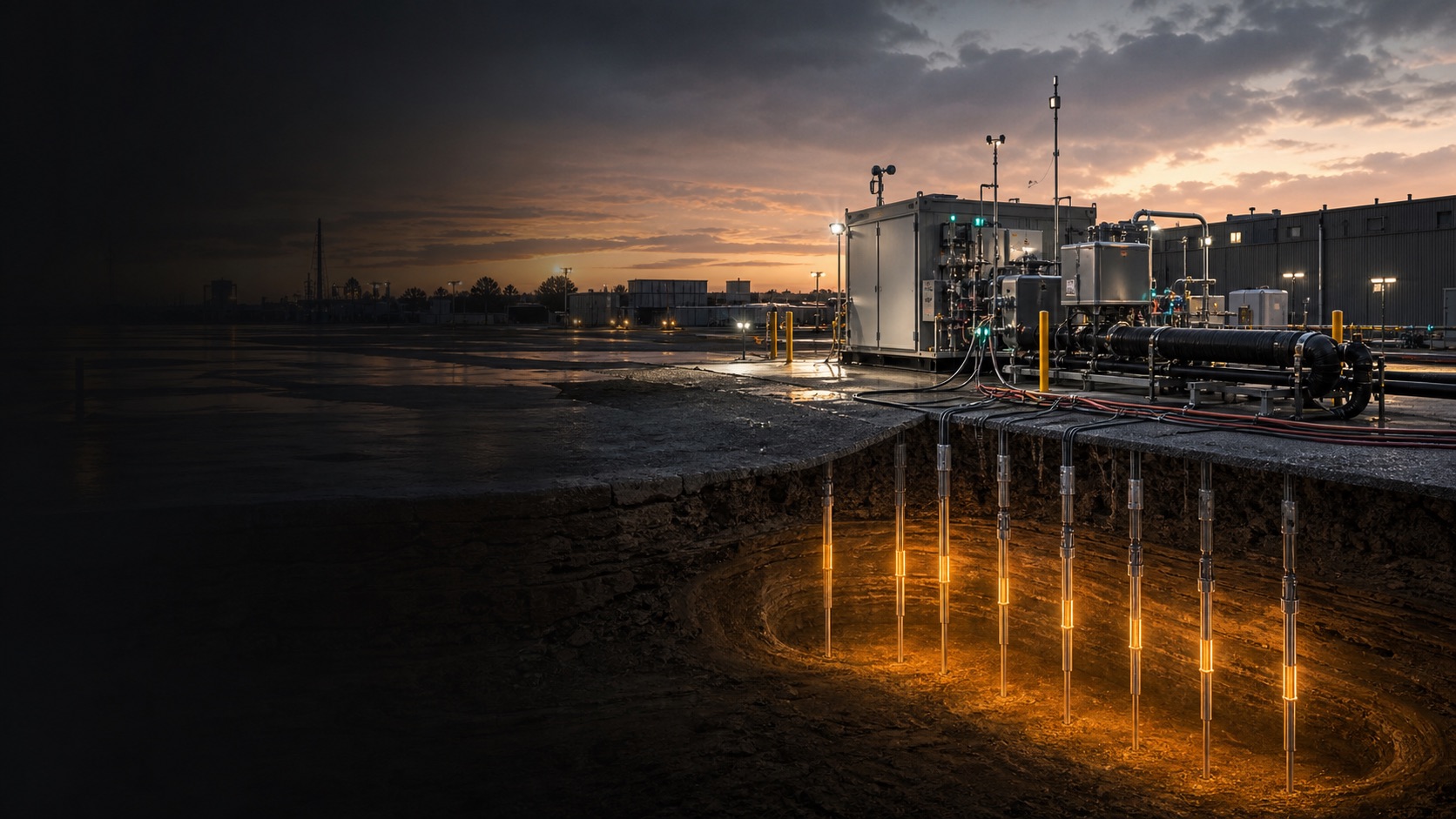
Electrical Resistance Heating for complex source zones
Doxor applies ERH to contaminated soil and groundwater where schedule, access, safety, and regulatory closure matter.
Technology
Electrical Resistance Heating uses current between electrodes to heat the subsurface matrix. Doxor integrates energy delivery, vapor recovery, safety, and sampling around each site's conditions.
Site characterization defines electrode spacing, energy balance, vapor capture, target temperatures, and monitoring.
Current between electrodes heats soil and groundwater, increasing contaminant volatility and recovery.
Vapors and fluids are extracted, treated, and monitored with electrical, structural, and air controls.
Temperature, energy, mass removal, and environmental data guide optimization until cleanup goals are met.
Field experience
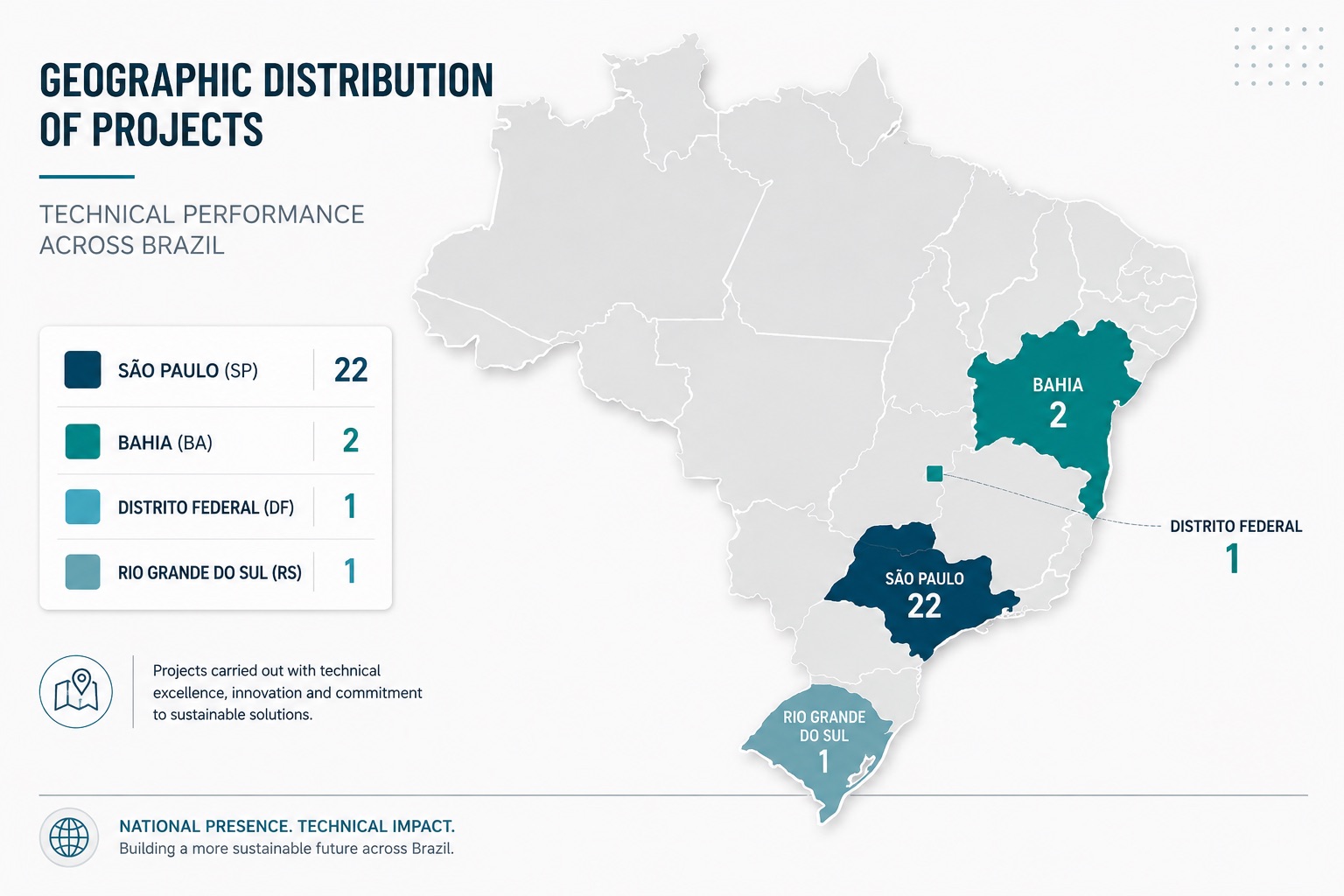
Industrial, residential, public, and redevelopment projects across heterogeneous soils, shallow and deep groundwater, and demanding stakeholder environments.
Field results
Urban school
Benzene targets were reached in less than 110 days, 765 kg of VOCs were removed, and energy use finished 17% below estimate.
Read case studyActive industrial site
After structural investigation, reinforcement, and monitoring, operations restarted and soil and groundwater goals were achieved.
Read case studyDeep CVOC plume
Full-depth heating reached the 100 °C target, with peak readings of 138.9 °C and reductions above 99% in several wells.
Read case studyTechnical basis
Doxor's experience is documented through project records, technical summaries, and conference work on performance, safety, electrode design, and treatability testing.
INMETRO ISO 17025
Battelle · I2T2 · RemTech · AESAS
VOC · CVOC · BTEX · TPH
Projects across multiple Brazilian states
Start a technical conversation